It’s been about four years since I started road tripping down to the Waikato most winter weekends to watch rugby league. It started as an itch I wanted to scratch, to watch a game in my old hometown of Rāhui Pōkeka. But it turned into something else – a love affair.
How did it happen? The same way most love stories unfold. Not through love at first sight, but gradually via an accumulation of “wow!” moments.
What follows is a collection of snapshots from my journey.
“Don’t tell me, show me!”
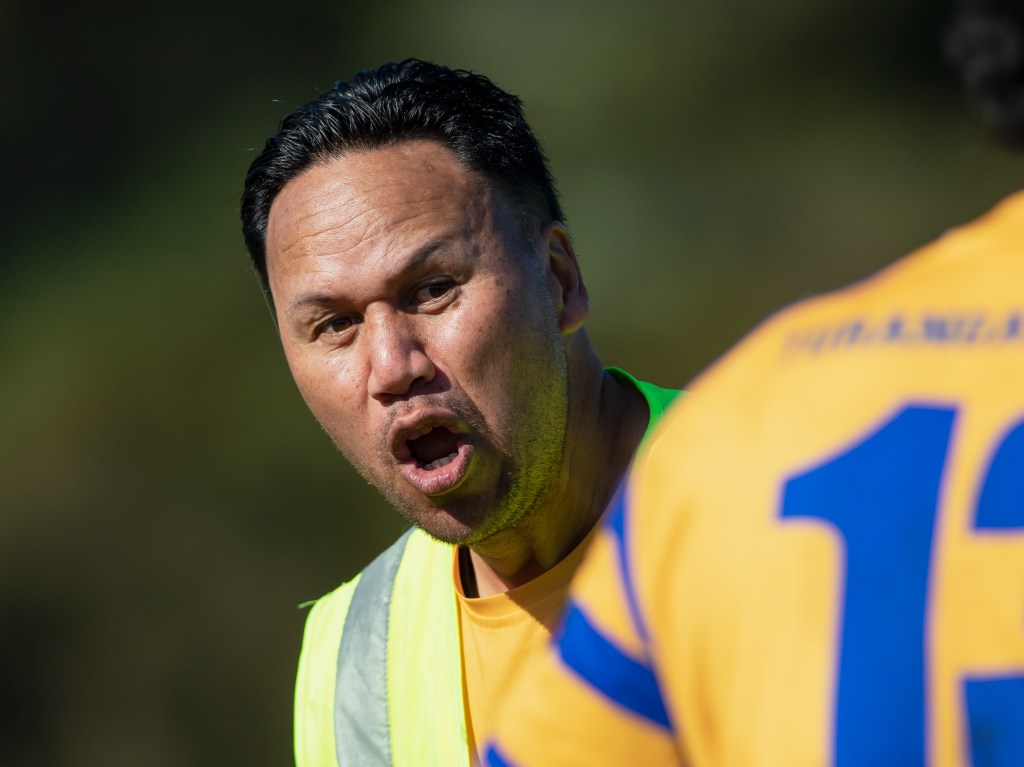
After conceding a third unanswered try, the team gathers in a huddle beneath the goalposts. Heads are down. The mood is grim. The trainer is furious: “Don’t you tell me, bloody show me!” Nobody needs to say anything else. They know what they have to do to earn respect.
‘Don’t tell me, show me’, is a rugby league mantra. It may well be a thing in other sports, but I’ve only heard it on rugby league sidelines, and I’ve heard it a lot.
It’s a saying I have come to love, and one that exemplifies why I love this sport at grassroots level.
Far too many people say nice words but don’t back them up with their actions. Around here, you can forget about the words if you want to. They’re not necessary. They mean very little anyway. All you need is actions.
“We gunna tackle tackle tackle, gunna tackle all day, gunna tackle tackle tackle it’s the green and gold way! Me hoki mai rā…”
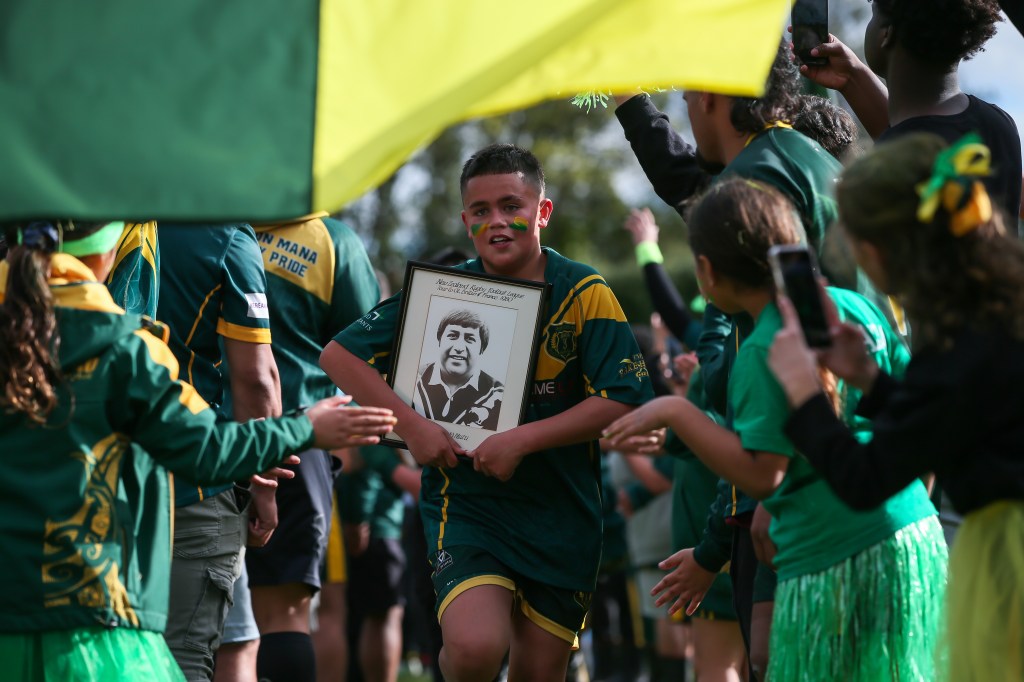
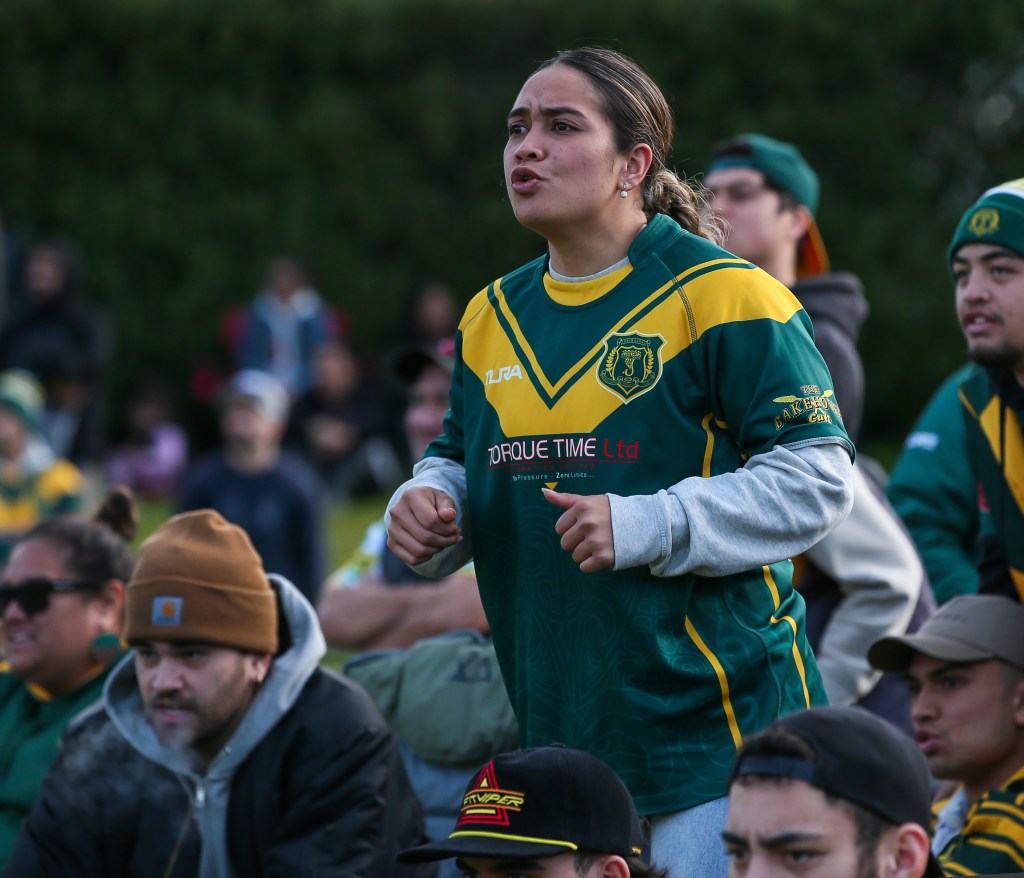
It’s been a good six months since the last time I heard that song, but it still reverberates in my brain. I’ve watched a lot of sport in big stadia both here and overseas. When a big crowd sings it can be spine tingling. But when a modest crowd surrounding a suburban paddock sings a club waiata infused with intermingling elements of history and culture, it can be just as moving.
Waikato rugby league crowds are different. They are a full immersion Kaupapa Māori environment. Everyone knows everyone. Everyone is related. To say you are watching more than just two sports clubs play a game is an enormous understatement. These clubs are marae, whānau, hapū, iwi, intertwined with the fabric of their communities. Everyone is here, and everyone is an integral part of the occasion whether you’re a prop forward or a two-year-old toddler.
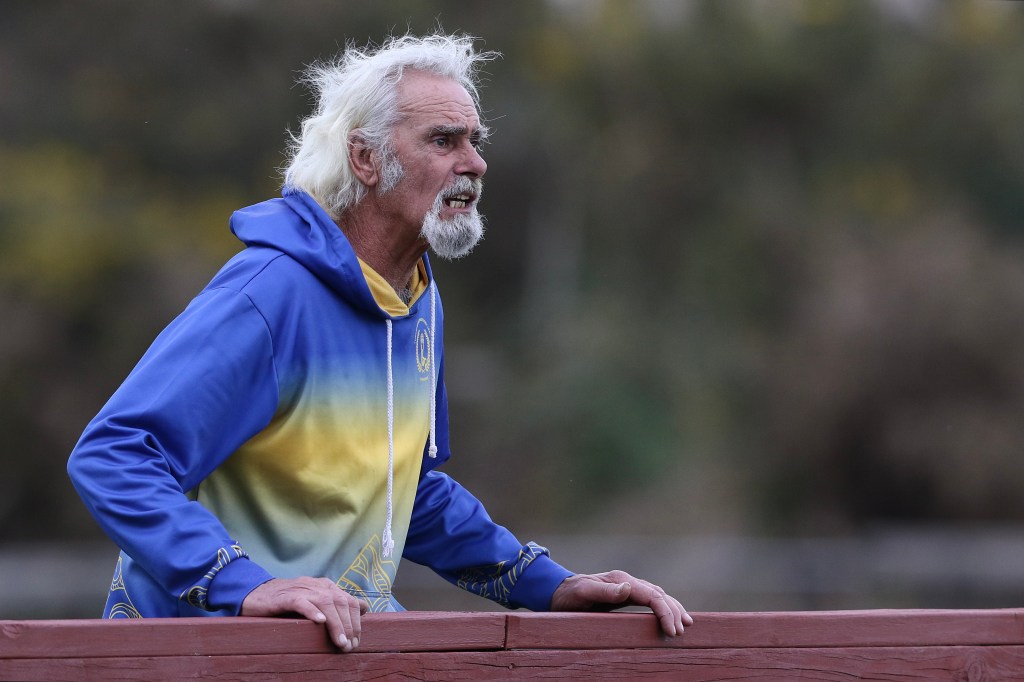
“Turanga hammer!”
Every sports team needs an Uncle Eddie. A super fan, who can motivate his team and annoy the shit out of the opposition.
“HEAPS OF DIESEL!”
He prowls up and down the sideline, following the play like a patrolling lion, pacing the perimeter of his territory roaring at anyone or anything who even thinks about encroaching.
“Tūrangawaewae soldiers!”
These are the people who make sport great. There’s no trophy for them at the end of the match. No title. No pay cheque. No name on an honours board. They seldom, if ever, hear the words ‘thank you’. They simply stick around and give what they have purely by the virtue of the size of their hearts.

“LEAH LEAH LEAH!”
After a long, hard year that ended in disappointment, the Taniwharau Premier Men had earned their end of season bender. To hold it behind the far tryline of the Wāhine Toa’s semi-final was an inspired choice.
Along with the usual army of club supporters, they combined to create an atmosphere that rivalled the previous day’s grand final.
There were all the usual waiata, a half time undie run for the men who failed to cross the tryline over the course of the season, and two raucous chants for two star players – Leah-Rhys Rangi and Honor Wilson.
“HONOR HONOR HONOR!”
Getting to watch the Wāhine Toa of this club go from strength to strength has been an enormous privilege. They are humble, warm, tough, and talented. There is no competition strong enough in the Waikato, so they play in the Auckland Rugby League structure by special invitation. Since they’ve been doing that, a couple of players from the club have signed professional contracts in the WNRL, and represented their country.
I can say with some authority that they deserved that atmosphere more than Manchester United deserves Old Trafford.
What they didn’t deserve was for their final to be cancelled by a COVID lockdown while the trophy they would have almost certainly won stayed put on a shelf gathering dust.
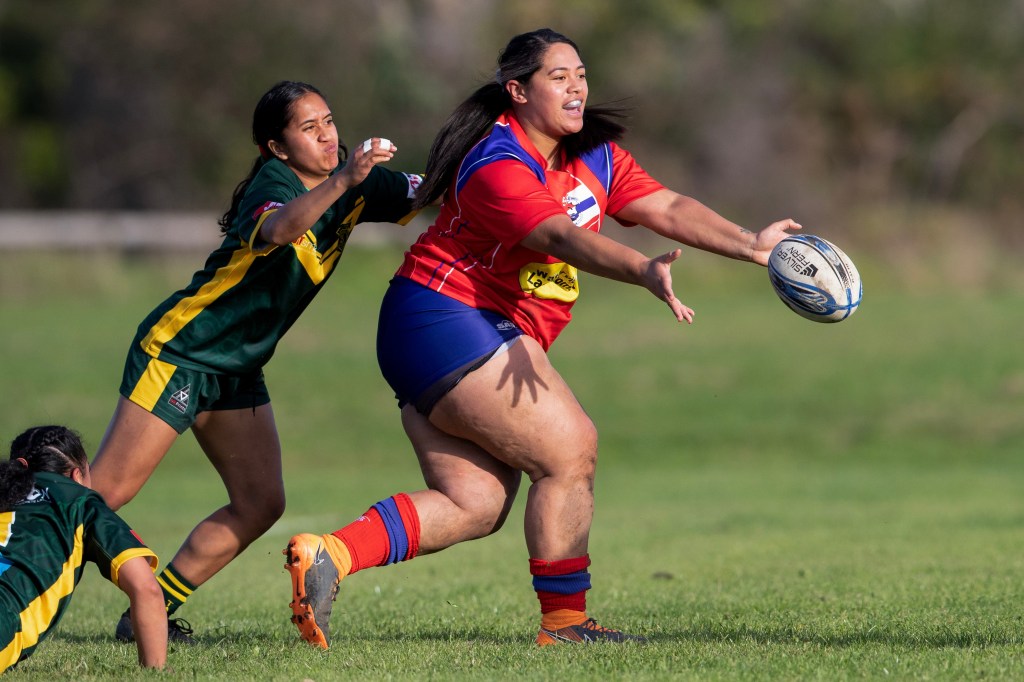
What are you gonna faaaaarkin do about it??”
The Ōtara Scorpions number 9 was an angry young woman. But she posed an interesting question. What ARE you gonna farkin do about it?
She asked it repeatedly, of referees, opposing players, her own teammates and coaches alike, usually following words and actions that one might diplomatically describe as ‘robust’.
And the answer to her wero was invariably ‘nope, nothing, you just keep on being you luv’.
I observed her challenging behaviour for an entire hour-long game against Taniwharau Wāhine Toa at Davies Park, and left with a strong sense of admiration for what I had firmly decided was a highly effective life skill – the ability to get away with murder via a level of pure unadulterated intimidation so perfect it demands to be considered nothing less than an absolute art form.
She didn’t belong on that field. She belonged in the Louvre.
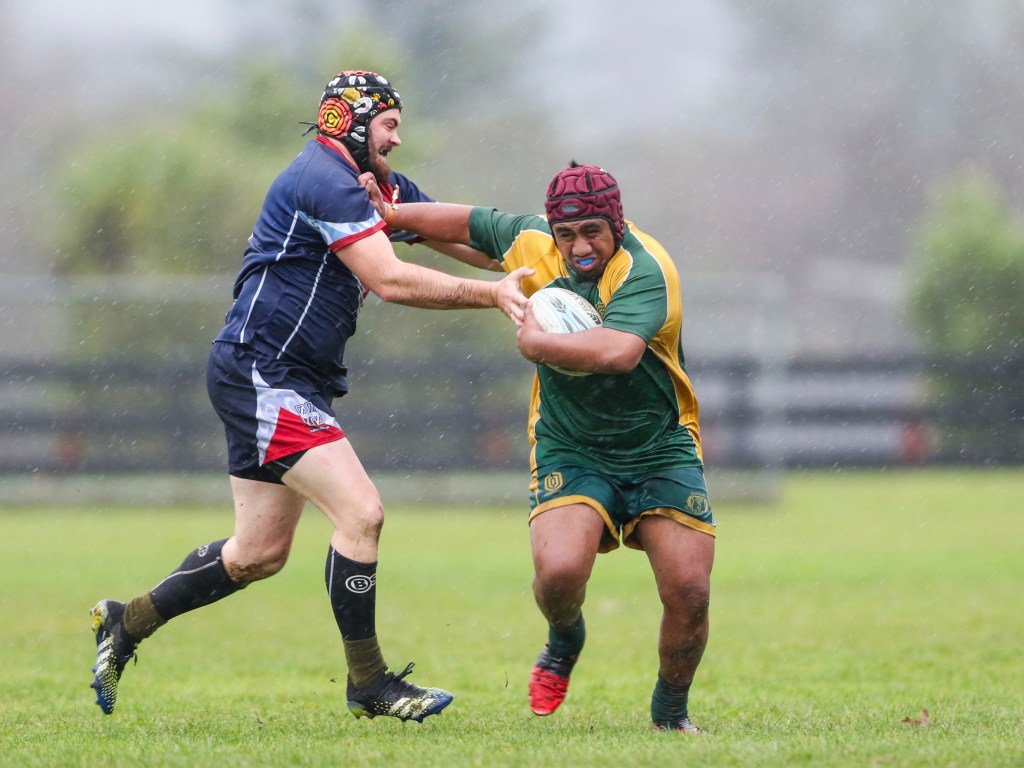
You hear a lot of player chatter on sports sidelines. Things leaders say to motivate their troops, and things players say to gee each other up.
In general, you are privy to conversations that fall into two categories: strategy and motivation. Both are fascinating.
In the aftermath of the fifth try in one game by Te Maire Martin, a slippery number six with NRL experience, it was strategy.
“Just hit him! If you hit him he won’t run again!”
Whereas after getting tackled by a true great – 40 year-old long-time Kiwi and New Zealand Warrior Wairangi Koopu, giving back to his hometown club at the end of his playing career, it was a mixture of motivation and consolation.
“It’s a privilege to be smashed by one of the game’s best.”
But the best quote I’ve ever overheard, uttered by a trainer on a day of torrential rain at Ngāruawāhia’s Patterson Park, defied categorisation:
Q: “Where’s my faaarkin water?”
A: “Open your faaarkin mouth!”
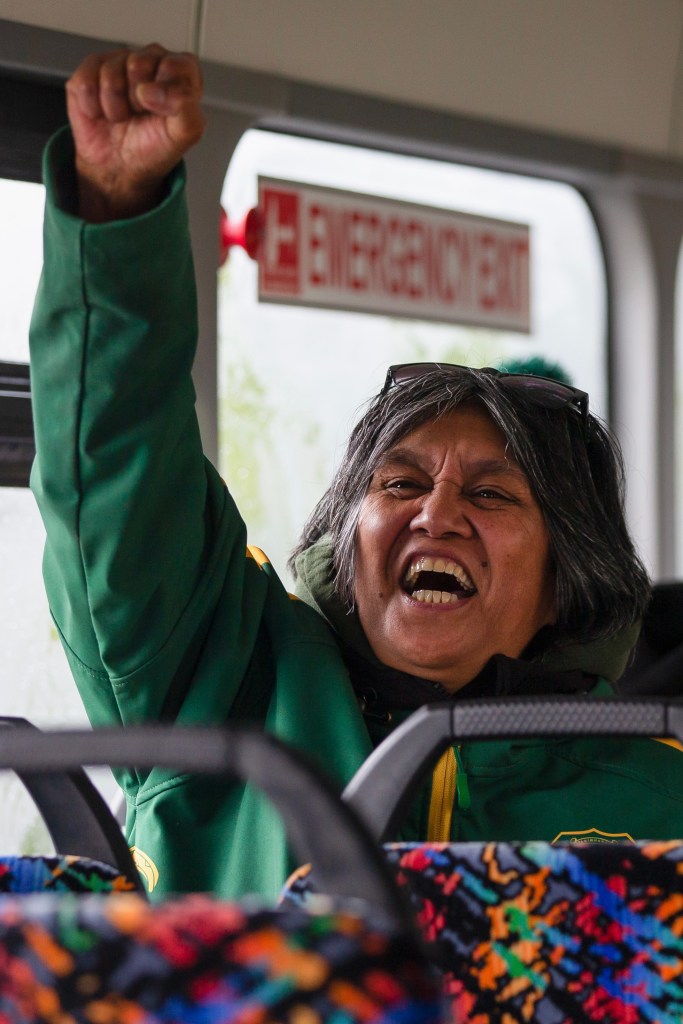
“Every time you take a faarkin photo, you’d better wear that faarkin hat!”
You haven’t lived until you’ve done a long away trip on a team bus. I’ve done them before and come away with lifelong memories each time. But this was something else again.
Tahāroa is a remote coastal community south of Kāwhia, a couple of hours’ drive away from pretty much anything and anywhere. It’s my kind of place.
The Tahāroa Steelers had been forced to play their home games in Kirikiriroa the first couple of seasons of their existence. But starting in 2022, they got to show their wares at their local sports reserve every second week.
I wanted to make my first trip there memorable and, with a seat reserved for me on the Taniwharau supporters’ bus, that was surely a given.
But after a long day of twisty turny gravel roads, singalongs, sheep flock roadblocks, mimi stops, beer skulls, haka, and a bit of footy thrown into the mix somewhere in amongst all that, the most memorable part of my experience wasn’t the trip in and of itself. It was a feeling of being welcomed with open arms as part of a rugby league whānau.
To be described as ‘one of us’ by members of a community like Taniwharau is something special beyond words.
When one of the club’s staunchest supporters decided to give me her prized green and gold hat, it came with what sounded an awful lot like a threat of grievous bodily harm – but to me it felt like a hug from nonna!
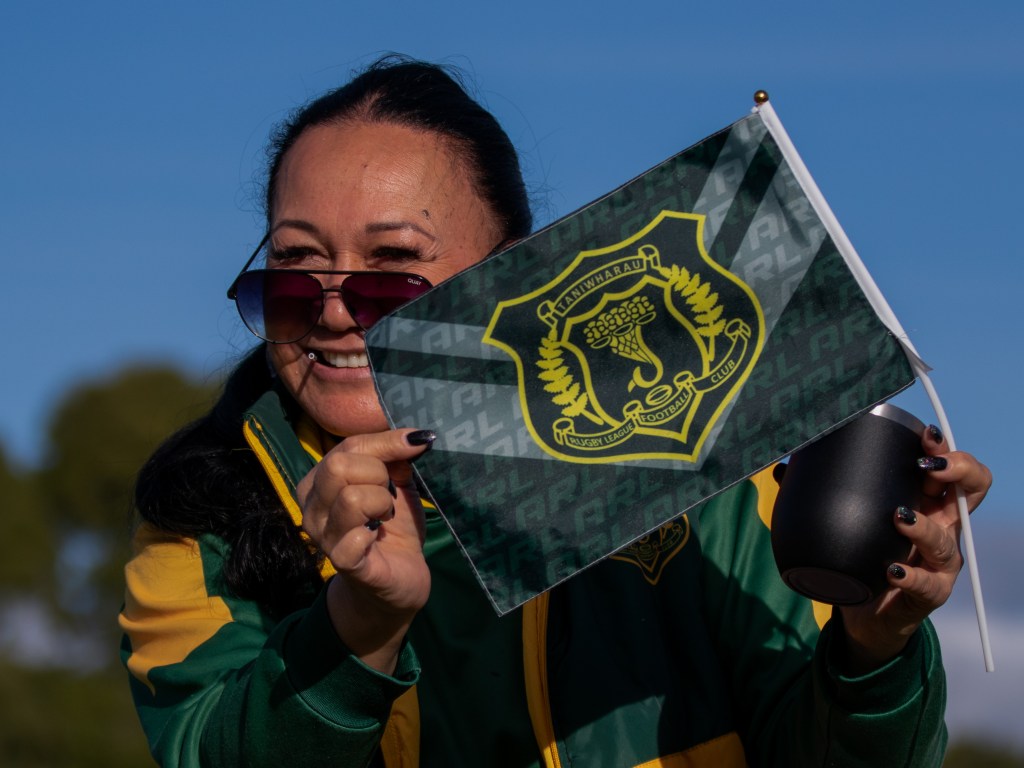
“You have kept our community alive”
The grand final was over. Taniwharau’s Premier Men had lost the decider for the third year in a row. All that was left was for the disappointed players to head over to the sideline and thank their supporters. That was when I received one of the greatest compliments I’ve ever heard as a photographer. To be told that my work means that much to such a special group of people, is humbling to say the least.
But they didn’t just tell me. Over four magnificent years, they’ve showed me.
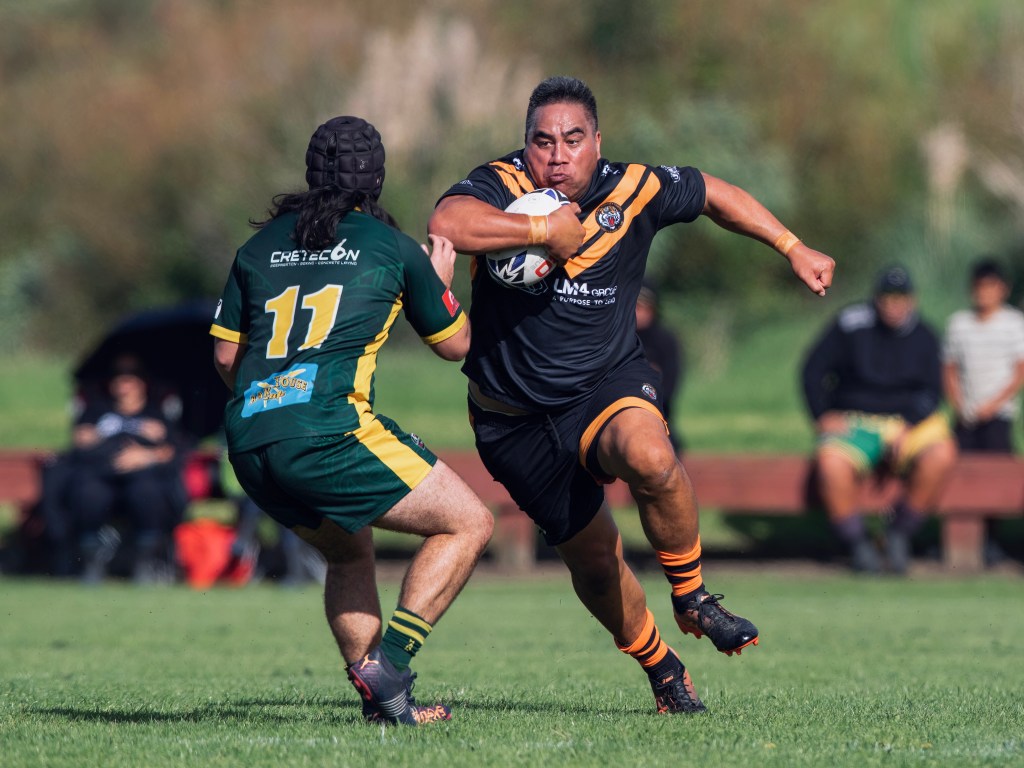
 The Fox and the Crow